Aroid Care
An aggregation of notes shared by the wonderful aroid community, along with additions from personal experience growing in the Portland, OR area. These methods work — this is the actual system used to grow the entire collection.
Potting Mix & Watering
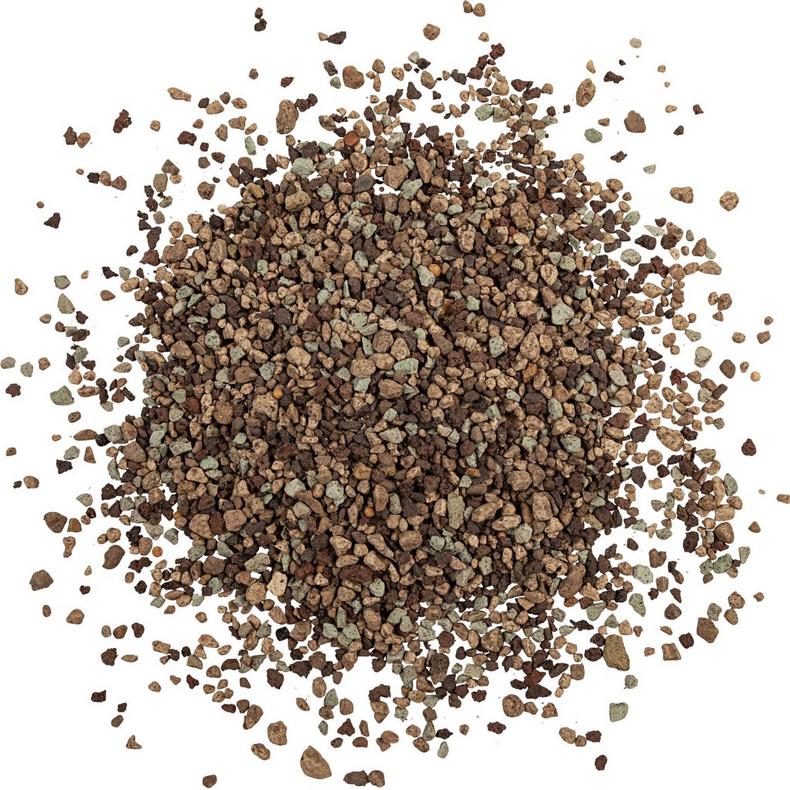
The potting mix is arguably the most important variable in aroid care. After extensive testing, all three of the following mixes have proven excellent. They share one trait: no peat, low organic content — fast drainage and minimal fungus gnat risk.
PON-Style Mineral Mix
- 3 Parts Lava Rock
- 3 Parts Zeolite
- 3 Parts Pumice
- Nutricote (time-release fertilizer)
Near-nirvana mix — fast draining, excellent aeration. Nearly identical to Lechuza PON. Water lightly daily or thoroughly once weekly until water drains freely from the bottom.
Chunky Bark Mix
- 6 Parts Orchid Bark (Pine)
- 4 Parts Coco Coir Husk Chips
- 4 Parts Pumice
- 1 Part Horticultural Charcoal
- 1 Part Worm Castings (or Zeolite)
Very fast draining and chunky. Excellent aeration due to bark structure. Water daily or once weekly thoroughly.
Pumice & Zeolite
- 8 Parts Pumice
- 1 Part Zeolite
Fast draining but slightly less airy than Options 1–2. Extremely simple, purely mineral substrate.
Lighting
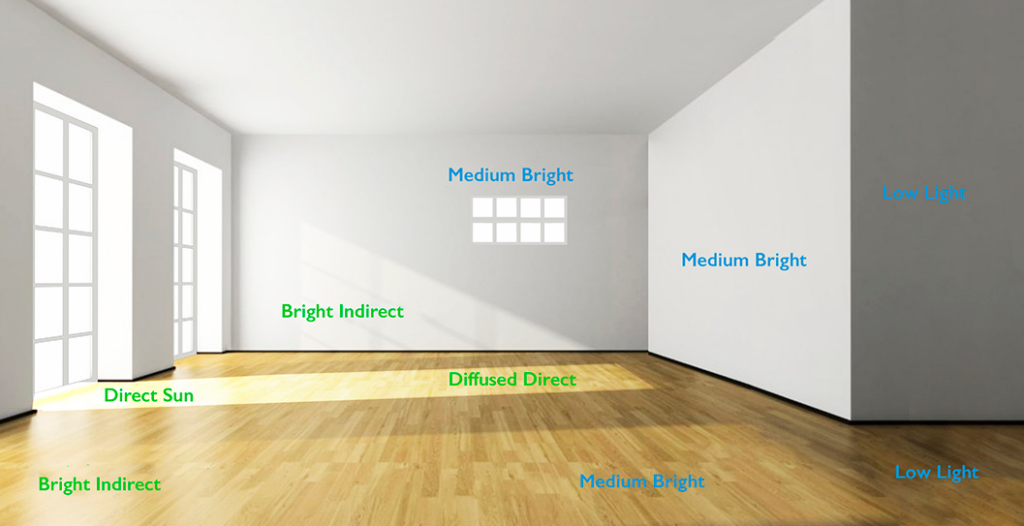
Bright, indirect light is best — filtered through a window or direct from a full-spectrum LED grow light. To see good growth, mimic the plant's natural environment: 12–15 hours of light per day during the growth season.
"Lumens are for humans. PPFD is for plants."
Don't trust your eyes alone. PAR (Photosynthetically Active Radiation) is the part of the light spectrum plants use for photosynthesis. PPFD (Photosynthetic Photon Flux Density) measures the amount of PAR hitting a square meter per second — the true light intensity measure for plants. Lumens measure brightness for human eyes and are irrelevant for plant care.
The aroids in this collection (Alocasia, Anthurium, Monstera, and Philodendron) thrive at PPFD values between 75–400.
Bright Direct
800–1000+Unfiltered sunlight
Bright Indirect
150–800Filtered or off-angle
Medium Light
80–150Diffused through curtains
Low Light
20–80Very little light
Kolem 15W
Not too harsh on the eyes, excellent PAR readings at 12–18 inches from the plant canopy. Personal favorite for individual plant setups.
Phlizon LED Panel
Easy dimmer switch on the LED driver. Great for adjusting output per growth stage. Ideal for larger shelving setups.
Repotting
Anthuriums and Philodendrons tend to like small pots and shouldn't be rushed to repot — they actually perform better slightly rootbound. When the time comes, a safe rule: select a new pot that is 1–2 inches greater in diameter than the current one.
Preferred pot styles:
- Net pots — maximum air movement around the root zone
- 32oz plastic takeout containers with holes poked in the bottom — inexpensive, easy to lift for watering or swap into decorative pots
- Lechuza self-watering pots — built-in reservoir and water level indicator; PON substrate pairs perfectly with these
Pest Control
Common culprits: spider mites (tiny white insects on leaf undersides) and fungus gnats. Mineral-heavy potting mixes naturally reduce fungus gnat risk — the conditions for egg laying simply aren't ideal.
Use a two-stage approach when pests appear:
Stage 1 — Knock Down
- Neem Oil — effective spray, strong smell
- Captain Jack's Dead Bug Brew — current favorite knockdown spray
- Seabright Yellow Sticky Aphid/Whitefly Traps
Stage 2 — Break the Lifecycle
- Mosquito Bits — soak 1–2 hours, strain chunks, spray liquid
- Stratiolaelaps scimitus — fungus gnat predator (Arbico Organics)
- Neoseiulus fallacis — spider mite predator, survives well in mineral substrates
General Tips
Leaves die occasionally — this is completely normal. Thank them for their photosynthetic contributions, then trim with sharp, clean pruning scissors.
For humidity: Anthuriums and most tropical aroids in this collection thrive between 65–80% relative humidity. An indoor greenhouse cabinet or dedicated grow tent is ideal. A hygrometer is essential for monitoring this accurately.
Fertilizer: PON and Option 1 include Nutricote time-release fertilizer. For liquid supplementation, a balanced fertilizer at half the recommended dose applied during active growth works well.
This collection grows under full-spectrum grow lights run 12–15 hours per day — no natural window light relied upon. Grow lights give full control over the photoperiod and eliminate seasonal variation.